How to Choose the Best Waterproof Emergency Light?
Choosing the right Waterproof Emergency Light is crucial for safety. With more than 70% of emergency situations occurring without power, a reliable light source can make all the difference. According to a report by the National Fire Protection Association, over 80% of households face power outages annually. This statistic highlights the importance of ready access to reliable lighting during emergencies.
Industry expert John Richards emphasizes, "A Waterproof Emergency Light is not just a convenience; it's a necessity." His insights reflect the growing need for robust emergency solutions. When choosing a light, consider the light’s battery life, brightness, and water resistance ratings. These features are essential for ensuring functionality in outdoor or damp conditions.
While many lights claim to be waterproof, testing often reveals inconsistencies. Not all lights perform well under pressure. Be cautious and seek reviews that highlight real-world performance. Effective decision-making requires attention to detail. Each aspect of the light must meet your specific needs during an emergency.
Understanding the Importance of Waterproof Emergency Lights
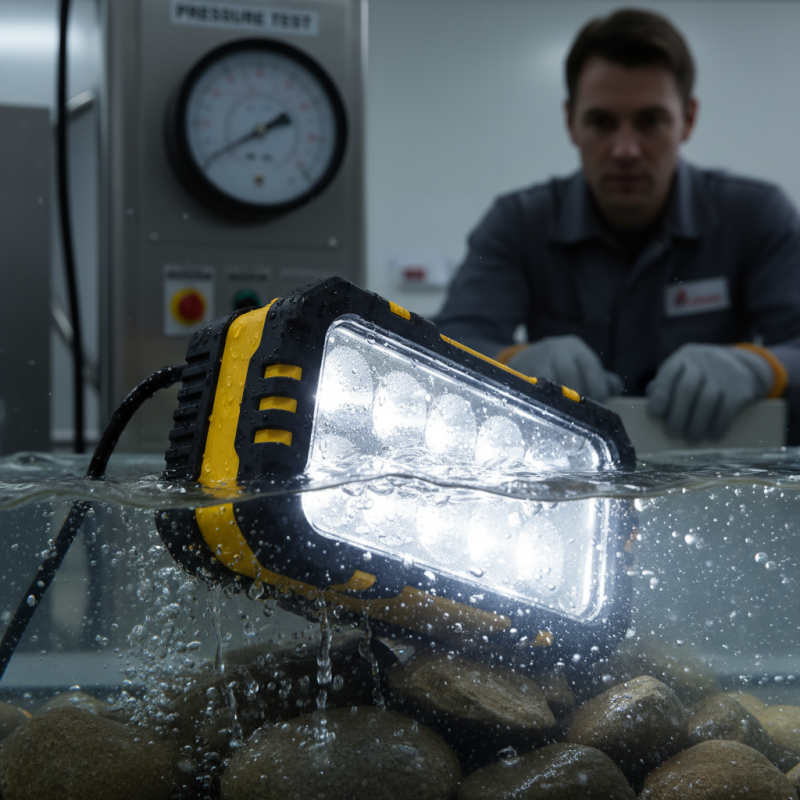
When choosing emergency lights, waterproof features are crucial. According to industry analysis, nearly 30% of outdoor emergency responses occur in wet conditions. This highlights the necessity for lights that can withstand moisture. Wet environments can easily damage electronic devices, rendering them useless. Waterproof emergency lights ensure reliability when you need them most.
Tips: Always check the IP rating of the light. An IP65 rating or higher is ideal for complete protection against water exposure. It’s also important to consider the brightness level. A light with at least 200 lumens can effectively illuminate a wide area.
In unexpected situations, having a waterproof light can save lives. Emergency situations can happen during storms or flooding. A waterproof light acts as a reliable beacon, guiding you to safety in chaos. Reflecting on your emergency preparedness is vital. Are your choices truly sufficient for your needs? Consider location and activities for optimal results.
Key Features to Consider in Waterproof Emergency Lights
When choosing a waterproof emergency light, focus on its brightness. A good option usually provides at least 100 lumens. This level ensures visibility in various conditions. Consider the beam distance as well. Lights that shine up to 100 meters are great for outdoor use.
Battery life is another crucial feature. Look for lights that can last several hours on a single charge. Some models offer a power-saving mode for extended use. Weight and size also matter. A compact, lightweight design is easier to carry during emergencies.
Lastly, evaluate the waterproof rating. A light with an IPX7 rating can be submerged in water up to one meter for 30 minutes. This factor is essential for camping or outdoor activities. However, it's easy to overlook the real-life performance. Sometimes, even the best specs don’t translate to actual use.
Types of Waterproof Emergency Lights Available on the Market
When considering waterproof emergency lights, it's essential to know the different types available. One popular option is LED lights. They are energy-efficient, durable, and often provide bright illumination. Many models also have multiple settings, allowing you to adjust brightness as needed. They work well in various outdoor scenarios.
Another common type is the lantern-style light. These lights illuminate a broader area, making them great for camping or power outages. Some models float, enhancing their versatility in emergencies involving water. Their design makes them easy to carry and can be incredibly handy when you need light in a hurry.
You might also find flashlights equipped for tough, wet conditions. They tend to fit easily in a pocket or bag. Ensure they come with a reliable grip so they don’t slip from your hands during use. While exploring options, consider the battery life and charging method. Rechargeable batteries may save money and waste, but might let you down when you need them most. Think carefully about your specific needs to make a well-informed choice.
Guidelines for Evaluating Brightness and Battery Life
When evaluating waterproof emergency lights, brightness and battery life are crucial. Brightness, measured in lumens, dictates how well a light can illuminate dark spaces. For instance, a light rated at 100 lumens is adequate for short-term visibility. However, if you need long-range visibility, aim for lights with 300 lumens or more. Yet, higher brightness often drains the battery faster. Striking the right balance is essential.
Battery life varies significantly among lights. Many emergency lights offer at least 8 to 12 hours of illumination on a single charge. Some models can exceed 24 hours under low brightness settings. The industry reports indicate that nearly 40% of users prioritize longer battery life. Realistically, many emergency situations last longer than expected. Choosing a light that provides flexibility in brightness can be beneficial. It allows you to conserve battery while still maintaining safety.
Many users overlook the importance of battery types. Lithium-ion batteries perform better in cold temperatures, while lead-acid may not function effectively under similar conditions. A flashlight's water-resistant features is also vital. An IPX5 rating indicates protection against water splashes. In contrast, IPX7 can withstand brief submersion. Choosing wisely requires considering these details. Understanding these factors will enhance your selection process for a reliable waterproof emergency light.
How to Choose the Best Waterproof Emergency Light? - Guidelines for Evaluating Brightness and Battery Life
| Feature | Description | Evaluation Criteria | Sample Data |
| Brightness | Measurable light output, usually in lumens. | Higher lumens indicate brighter lights; ideal is 500+ lumens. | 800 lumens |
| Battery Life | Duration the light can operate on a full charge, measured in hours. | Minimum of 6 hours at high brightness is preferred. | 12 hours on high setting |
| Waterproof Rating | Level of protection against water ingress, rated by IP codes. | IPX7 or higher recommended for full waterproofing. | IPX8 |
| Weight | Weight of the light, affecting portability. | Lightweight designs under 1 lb are ideal for emergency kits. | 0.8 lbs |
| Charging Method | The method used to recharge the light, e.g., solar, USB, etc. | Versatile charging options are more convenient. | USB rechargeable |
Tips for Proper Maintenance of Waterproof Emergency Lights
When it comes to waterproof emergency lights, maintenance is essential. A well-maintained light ensures safety during emergencies. According to the National Fire Protection Association, nearly 60% of emergency lighting systems fail due to poor maintenance. Regular upkeep can prevent this.
Here are some tips for proper maintenance. First, inspect the light monthly for any signs of wear or damage. Look for cracks, faded lenses, or loose connections. These small details matter significantly. Second, clean the lights regularly. Dust and dirt can affect performance. Use a soft cloth or a damp wipe to remove debris. Remember, water resistance can diminish over time due to accumulated grime.
Lastly, test the functionality of your lights every six months. Run a test to ensure that they illuminate correctly. Industry standards suggest this practice is critical; even the best lights can malfunction without proper checks. Regular maintenance not only prolongs the life of your emergency lights but also ensures they work when you need them most.