How to Choose the Right Orthopedic Implant for Your Surgery?
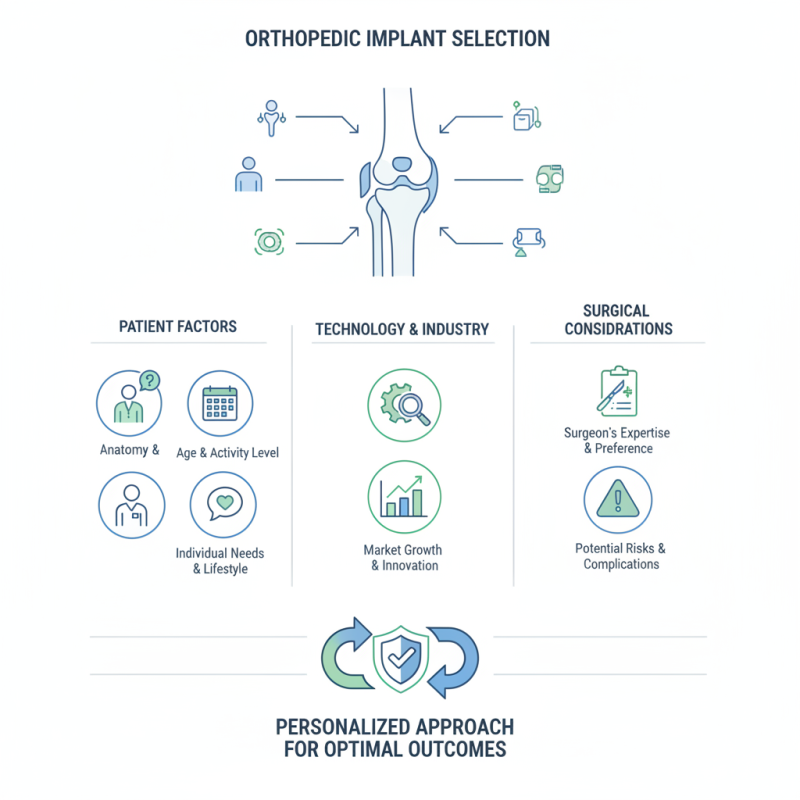
Choosing the right orthopedic implant for surgery is a critical decision that impacts patient outcomes. The orthopedic implant industry is rapidly evolving. According to a report from Orthopedics Today, the global market is expected to reach $66 billion by 2027, driven by advancements in technology and aging populations. Choosing the correct implant is not just about technology; it's about understanding patient needs.
Dr. Emily Carter, a leading orthopedic surgeon, emphasizes, “The right orthopedic implant can significantly enhance the recovery process.” Surgeons must evaluate various factors, including patient anatomy and specific conditions. Not all implants will suit every patient. This complexity reflects the need for a personalized approach, as ideal selection can vary widely based on individual circumstances.
While the industry continues to innovate, challenges remain. Not all implants perform equally for every patient. Some may experience complications or unexpected outcomes post-surgery. Recognizing these risks is vital for both patients and surgeons. In the end, the process of selecting an orthopedic implant can be as critical as the surgical procedure itself.
Understanding the Basics of Orthopedic Implants and Their Uses
When considering orthopedic implants, it's essential to understand their fundamental role. These devices support or replace damaged joints, bones, and cartilage. They help restore function, reduce pain, and improve quality of life. Understanding the types of implants can guide informed decisions.
Implants may include screws, plates, and prosthetic joints. Each type serves a specific purpose. For instance, a hip implant replaces the ball-and-socket joint. The material used is also critical. Common materials include titanium and stainless steel, known for strength and biocompatibility. However, not all materials suit every patient’s needs.
Consulting with a healthcare professional can clarify the options. It’s vital to discuss individual health conditions. Sometimes, the ideal implant may not be available. This uncertainty can be challenging. But having open conversations about possible alternatives is crucial. Make sure to weigh the benefits and drawbacks of each choice. This will lead to better outcomes during recovery.
Understanding the Usage of Different Orthopedic Implants
Evaluating Patient-Specific Factors for Implant Selection
Choosing the right orthopedic implant requires careful evaluation of patient-specific factors. Each patient's anatomy varies significantly. For instance, bone density, age, and activity level are crucial elements. An older patient might have different needs compared to a young athlete.
Surgeons often assess the patient's medical history and lifestyle. A sedentary individual may need a different implant compared to someone who is highly active. Weight also plays a role; heavier patients can place more stress on implants. The surgeon may consider how these factors affect the long-term success of the implant.
Sometimes, the best choice is not obvious. Surgeons can face dilemmas when balancing implant durability with patient comfort. Each option has its pros and cons. Reflecting on previous surgeries can offer insights. Learning from past experiences helps make better decisions. In the end, the goal is to find an implant that enhances mobility while minimizing complications.
Exploring Different Types of Orthopedic Implants Available
When considering orthopedic implants, understanding the variety available is crucial. Common types include metal, polymer, and ceramic implants. Each material has unique benefits and limitations. For example, metal implants are known for their strength and durability. However, they may pose a risk of corrosion over time.
Polymer implants are lighter and resist wear. Yet, they might not provide the same level of support as metal options. According to a 2021 report by the Orthopedic Industry Association, the choice of material can affect the implant's lifespan. This report indicated that nearly 30% of patients experienced complications linked to implant material.
Ceramic implants often attract attention due to their biocompatibility. Although, they can be brittle. The need for ongoing research is evident. A 2022 study highlighted that 40% of orthopedic surgeons felt uncertain about selecting the right implant. Such data reveals the complexity of making informed decisions in surgery. Understanding these nuances is essential for both patients and practitioners.
Consultation and Collaboration with Your Surgical Team
Choosing the right orthopedic implant requires careful consideration and collaboration with your surgical team. Communication is key. Before surgery, discuss your concerns and questions with your surgeons. Understand the types of implants available. Each option has unique features. Some may suit your needs better than others.
During the consultation, don’t hesitate to voice your preferences. Your insights matter. Sometimes, surgeons may prioritize their experience over your comfort. It’s vital to find a balance. Ask for detailed explanations if you feel unclear about certain implants. Visual aids can be helpful. They make the options easier to comprehend.
Post-consultation reflection is important too. Think about the information shared during your meeting. Did you feel heard? Were your concerns addressed? This reflection can guide your final decision. Remember, the choice of implant is fundamental to your recovery. A collaborative approach can enhance your surgical outcome significantly. Comfort and confidence are key in this journey.
Post-Surgery Considerations for Implant Longevity and Care
Choosing the right orthopedic implant is just the beginning. After surgery, proper care is crucial for implant longevity. Studies show that nearly 10% of orthopedic implants fail within a decade. This statistic emphasizes the need for vigilant post-operative care.
One important aspect is weight management. Excessive weight can lead to increased stress on implants. A study published in the Journal of Orthopedic Research found that even a slight increase in body weight can significantly reduce implant lifespan. Patients must monitor their weight post-surgery. Regular exercise strengthens surrounding muscles, providing essential support for the implant.
Proper nutrition plays a key role in recovery. Adequate protein intake aids in healing, while calcium and vitamin D strengthen bones. Many patients overlook these nutritional needs. Regular follow-ups with healthcare providers help in tracking progress. Yet, some may neglect these appointments, risking complications. Ultimately, a holistic approach can substantially enhance implant longevity.