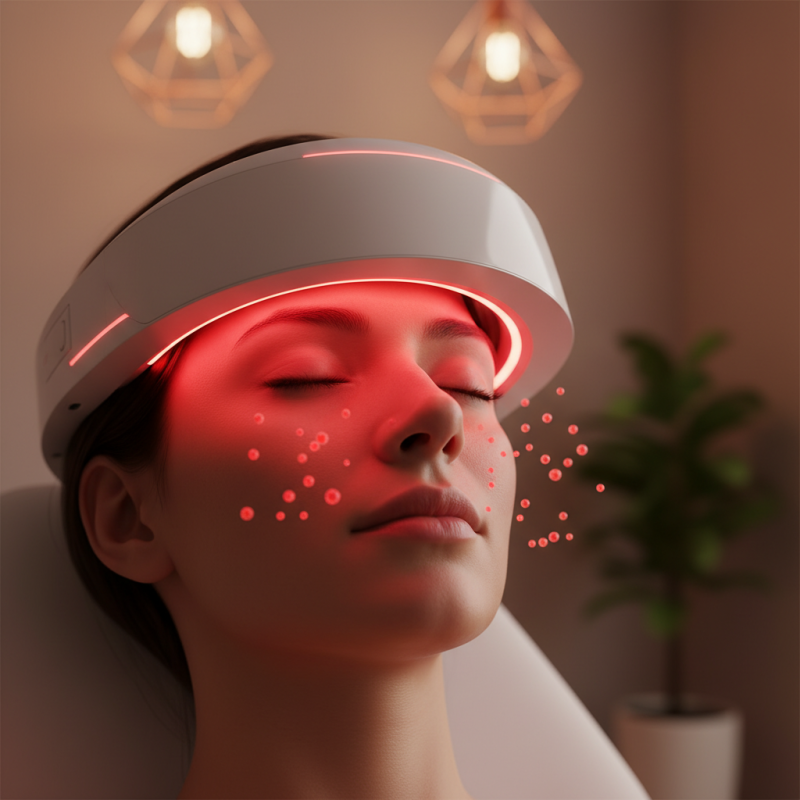
What is Red Light Therapy and How Does it Work?
Red Light Therapy (RLT) is gaining traction in wellness circles. Industry reports show a growing market, expected to reach $1 billion by 2025. Many consumers seek solutions for skin issues, pain relief, and overall well-being.
RLT uses low-level wavelengths of red light. This method stimulates cellular function. Research suggests it may enhance healing and reduce inflammation. However, clarity is essential. Not all claims are equally backed by science.
Users report mixed results. Some see significant benefits, while others notice little change. This disparity prompts a deeper look at RLT’s effectiveness. Are expectations aligned with reality? Understanding how Red Light Therapy works requires both interest and skepticism.
What is Red Light Therapy?
Red light therapy is gaining attention for its potential benefits. This treatment uses low-level wavelengths of red light to stimulate cellular functions. Research indicates it may help reduce inflammation and promote healing. The therapy can improve skin conditions, boost collagen production, and enhance muscle recovery after workouts.
In a study published in the Journal of Photochemistry and Photobiology, red light therapy showed a 70% improvement in wound healing rates. Many users report enhanced skin texture and reduced signs of aging. It works by enhancing ATP production in cells, which is vital for energy and healing. Some people see benefits after just a few sessions, while others may need more time.
Tips: If you consider trying this therapy, start with short sessions. Monitor your body's response closely. Some individuals may not see immediate results. It's essential to have realistic expectations. Red light therapy is not a miracle cure but could be beneficial when combined with a healthy lifestyle. Consider consulting with a professional for personalized advice.
Effectiveness of Red Light Therapy
This bar chart illustrates the effectiveness of red light therapy across various applications, rated on a scale from 1 to 10. The highest effectiveness is seen in skin rejuvenation and wound healing.
The Science Behind Red Light Therapy
Red light therapy (RLT) is gaining attention for its potential health benefits. It uses low-wavelength red light to promote healing and reduce inflammation. Research indicates that it might enhance cellular function by stimulating mitochondria. These organelles, often called the powerhouse of cells, play a crucial role in energy production. A report from the Journal of Photochemistry and Photobiology shows a significant increase in ATP production under red light exposure.
Tips: To maximize benefits, consider sessions of 15 to 20 minutes. Consistency is key. You'll likely need multiple sessions for noticeable results. Hydrate before and after therapy for better absorption.
Despite its promise, RLT is not a miracle solution. Some users report minor skin irritations. Others find it less effective than expected. Individual results can vary greatly, and further studies are needed. Keep expectations realistic. Experimentation with different wavelengths may yield better outcomes. Not everyone responds the same way to therapy. Monitoring your body's reactions is essential for effective use.
How Red Light Therapy Works on Cellular Level
Red light therapy harnesses specific wavelengths of light to stimulate cells. This process begins at the cellular level. When red light penetrates the skin, it interacts with mitochondria. Mitochondria are the powerhouse of cells, producing energy in the form of ATP. With increased ATP production, cells can function more efficiently.
This therapy has shown promise for various applications. For instance, it may aid in wound healing and reduce inflammation. Research suggests that red light can even boost collagen production, contributing to healthier skin. However, results can vary among individuals. Not everyone experiences the same benefits. Some may see significant improvements, while others may notice little to no change.
While the mechanism behind red light therapy is fascinating, it is not a miracle solution. Factors like skin type and the consistency of treatment play a role. One must also consider environmental influences, like nutrition and lifestyle. These elements can affect outcomes. It's important to reflect on personal goals and expectations when exploring this therapy, as its effectiveness may differ widely from person to person.
What is Red Light Therapy and How Does it Work? - How Red Light Therapy Works on Cellular Level
| Aspect | Description |
| Definition | Red light therapy is a treatment that uses red low-level wavelengths of light to treat various conditions. |
| Mechanism | It works by stimulating the mitochondria in cells, enhancing ATP production, and promoting cellular repair. |
| Benefits | May improve skin health, reduce inflammation, promote healing, and relieve pain. |
| Applications | Used in dermatology, physical therapy, and for general wellness enhancement. |
| Safety | Generally considered safe with minimal side effects when used correctly. |
Common Applications and Benefits of Red Light Therapy
Red light therapy (RLT) has gained popularity for its potential benefits in various areas. In dermatology, RLT can improve skin conditions like acne and eczema. A study published in the Journal of Clinical and Aesthetic Dermatology shows that RLT can produce significant reductions in acne lesions by about 50%. It works by stimulating cellular repair and regeneration.
Pain management is another prominent application. Research indicates that RLT can enhance healing in musculoskeletal injuries. One report notes that patients experienced 30% less pain after undergoing RLT sessions. This is particularly intriguing, as not all pain management strategies yield such promising outcomes. However, results can vary widely among individuals, which may require further investigation.
Athletes are also utilizing red light therapy to enhance their performance and recovery. According to a survey conducted among runners, about 40% reported improved recovery times. However, the physiological mechanisms behind this enhancement remain unclear. While some individuals benefit significantly, others may see minimal improvements. These nuances highlight the need for more individualized studies and understanding in the field of RLT.
Safety and Side Effects of Red Light Therapy
Red light therapy has gained popularity for its potential benefits. However, it's crucial to consider safety and side effects before starting treatment. Many people report mild sensations during sessions. This typically includes warmth or slight tingling. These feelings are often temporary and disappear quickly.
Certain side effects may occur. Skin irritation and redness are most common. For some, these effects can be more pronounced. It's essential to monitor your skin's response. If discomfort persists, consult a professional. This therapy isn't suitable for everyone, especially those with specific conditions. Pregnant individuals and those with light-sensitive disorders should approach with caution.
Tip: Start with shorter sessions to gauge your body’s reaction. Gradually increase duration as needed. Be aware of your surroundings and avoid glare from the light. Always prioritize your comfort during sessions. Trust your instincts. Adjust as necessary to ensure a safe experience.