What is a saw swing and how does it work?
The saw-swing mechanism plays a crucial role in the woodworking and manufacturing industries. As noted in a recent industry report by the Woodworking Machinery Manufacturers Association, the efficiency of saw-swing systems can enhance production speed by up to 25%. This statistic highlights the importance of understanding how saw-swing operates in various applications.
Stephen Greene, a leading expert in saw technology, emphasizes, "A well-designed saw-swing can transform cutting precision." This statement reflects the critical balance between technology and craftsmanship in woodworking. However, many users struggle with optimizing saw-swing settings due to a lack of training or experience.
Moreover, the variation in saw-swing designs adds complexity to the selection process. Not all saw-swings are created equal. Factors like blade size, material type, and intended use can impact performance significantly. Users often overlook these variables, leading to unsatisfactory results and wasted resources. Understanding the nuances of saw-swing is crucial for achieving the desired quality and efficiency.
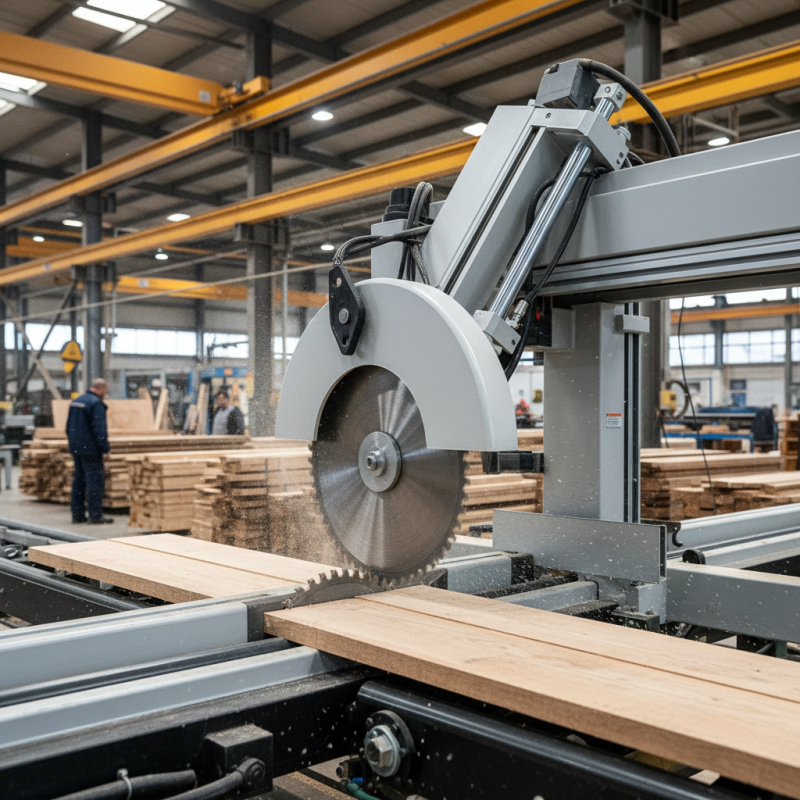
What is a Saw Swing?
A saw swing refers to the motion a saw makes while cutting. This movement is essential for achieving precise cuts on different materials. As the blade moves, it swings back and forth, allowing for a smoother cutting action. The design of the saw influences this swing significantly, since various saw types exhibit distinct motions.
When using a saw, the user must consider various factors. The speed of the swing matters, as does the angle. A faster swing may result in quicker cuts but can compromise accuracy. It's a balance. For some, overthinking these elements can cause hesitation. This may lead to mistakes, such as uneven cuts or excessive wear on the blade.
Understanding the saw swing can enhance cutting techniques. Observing how the blade interacts with the material is critical. Attention to detail is necessary. If adjustments are needed, that’s part of the learning process. Experimentation is encouraged. Every cut provides insight. With practice, the saw swing becomes second nature, leading to improved craftsmanship over time.
Distribution of Saw Swing Angles
The Mechanism Behind a Saw Swing
A saw swing refers to the movement of a saw blade in a cutting tool. This mechanism is crucial for efficiently cutting through different materials. When the saw is activated, the blade swings back and forth. This motion allows for quick and effective cuts, reducing material waste.
The mechanics behind the saw swing involve several key components. A pivot point acts as the fulcrum, enabling the blade’s movement. The saw is usually driven by electric or manual power. This energy translates into the swinging motion, creating a rhythm that maximizes cutting speed. Yet, it’s important to ensure that the angle and speed are appropriate. Too fast or too steep can lead to inaccurate cuts.
Users often overlook the necessity of adjusting these parameters for their specific projects. If set improperly, the saw swing can yield uneven cuts. This reflects the need for careful calibration and practice. Relying only on the machine’s capabilities may lead to frustration. Each user has unique needs, and understanding the saw’s mechanics can enhance precision.
Types of Saw Swings and Their Applications
Saw swings can vary widely depending on the intended application. There are several types. Each saw swing has its own unique features. For instance, a circular saw swing is optimal for making quick, straight cuts. It’s simple to use and very effective for small to medium projects.
On the other hand, a compound miter saw swing offers flexibility for angled cuts. This type of saw swing is essential for trim and molding work. Its ability to pivot makes it ideal for intricate designs. Though it is powerful, it requires careful handling. Misjudging the angle or depth can lead to mistakes that waste material.
Tips: Always double-check measurements before cutting. This can save time and resources. Additionally, practice on scrap material to understand the saw's movement. Experimenting can reveal the nuances of each type.
Band saws represent another option. Their swing allows for curved cuts, providing versatility in woodworking. However, controlling a band saw can be challenging for beginners. Inadequate attention to blade tension can lead to irregular cuts. Proper setup is vital for achieving the desired results.
Benefits of Using a Saw Swing in Cutting
Using a saw swing can greatly enhance your cutting efficiency. This tool allows for precise control over the cutting angle and depth, which is vital for projects requiring accuracy. It helps users maintain a steady hand, reducing the chances of mistakes. When you're working on a big piece, stability is key.
Consider the versatility of a saw swing. It can handle various materials, from wood to metal. This adaptability makes it a favorite among both DIY enthusiasts and professionals. However, mastering this tool takes practice. It’s often tricky to get the angle just right at first. You might find yourself adjusting multiple times. That's okay; progression takes experimentation.
Tips: Always measure twice before cutting. This can save you from making costly mistakes. Additionally, start with a slower speed to get the feel of the tool. Ensure your work surface is secure to minimize movement during cutting. With time, you'll notice your cuts becoming cleaner and more precise.
Safety Considerations When Using a Saw Swing
When using a saw swing, safety is a top priority. The powerful mechanism can be dangerous if not handled properly. Always wear protective gear, including goggles and gloves. They may seem like a hassle, but safety equipment is essential.
Before starting, check the area for hazards. Loose cables or clutter can lead to accidents. It's easy to overlook these details when you're eager to begin. Ensuring a clear workspace helps maintain focus and prevents injuries.
Awareness of your position relative to the swing is crucial. Stand clear of the path it travels. Misjudgments can lead to serious injuries. Also, consider your grip on the saw. A firm hold is vital but be mindful of fatigue. Tired hands can slip. Always take breaks if you feel worn down. Reflect on your methods regularly; this will improve safety in the long run.