Essential Tips for Choosing Stainless Steel Wire Mesh?
Choosing the right stainless steel wire mesh is crucial for many applications. Its strength, durability, and resistance to corrosion make it a popular choice in industries. However, not all wire meshes are the same.
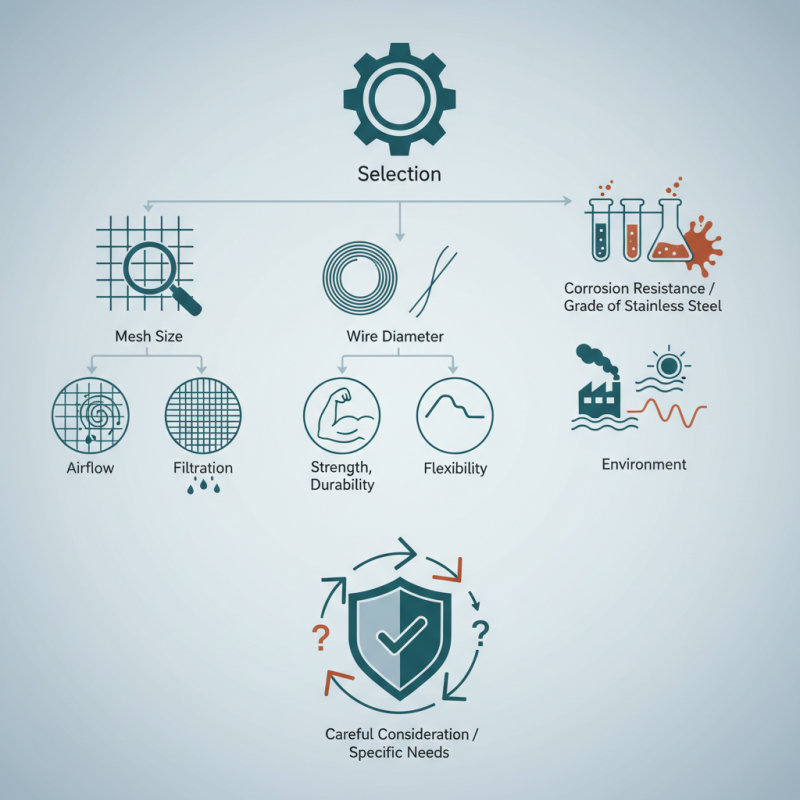
When selecting stainless steel wire mesh, consider the mesh size. Larger openings provide better airflow, while smaller ones offer more filtration. The wire diameter also impacts strength and flexibility. Thicker wires tend to be more durable but can be harder to work with.
Another factor is the grade of stainless steel. Different grades offer varying levels of corrosion resistance. The environment in which the mesh will be used can influence your choice. Sometimes it's easy to overlook these details. A hasty decision can lead to issues down the road. Thus, careful consideration is essential for your specific needs.
Understanding Stainless Steel Wire Mesh Grades and Their Applications
When selecting stainless steel wire mesh, understanding the grades is crucial. The most common grades are 304 and 316. Grade 304 offers good corrosion resistance, while grade 316 is better suited for marine environments due to added molybdenum. According to industry reports, 316 stainless steel is 30% more resistant to chloride-induced pitting than 304. This is vital in coastal applications. Choosing the right grade can significantly influence the longevity of your wire mesh.
Applications vary based on grade. Grade 304 is frequently used in food processing and architectural applications. It maintains hygiene and aesthetics. On the other hand, grade 316 is preferred in chemical industries and medical instruments. Many overlook how these differences can lead to costly maintenance issues later. Interestingly, the right choice extends beyond just grades; factors like wire diameter and opening size also matter. Misjudging these details can compromise your project's integrity.
While stainless steel wire mesh offers durability, not all projects demand the highest grade. Careful evaluation is essential. Review and analyze your specific needs thoroughly. Always remember, a hasty decision can lead to frustration. Each project's unique challenges should guide your selection. Reflect on recommendations, but trust your project's requirements.
Factors Influencing Wire Diameter Selection for Various Industries
Choosing the right wire diameter for stainless steel mesh is crucial for various applications. Different industries have unique requirements. For example, the food processing industry often requires smaller diameters to ensure safety and hygiene. Reports indicate that wire mesh with a diameter of 0.5 mm to 1 mm is most effective in these environments.
In construction, a thicker diameter may be necessary. For instance, a diameter range of 1.2 mm to 3 mm is commonly used for reinforcing concrete. This thickness provides adequate strength. However, it may not be suitable for all projects, leading to potential oversights in material selection. Industry studies highlight this challenge, noting that using too thick or too thin wire can impact structural integrity.
Another area to consider is filtration. In water treatment facilities, a balanced approach is essential. Wire diameters between 0.3 mm and 1.5 mm are often employed. However, some facilities may overlook the mesh's aperture size. This can lead to inefficiencies in contaminant removal. An optimal balance must be struck to meet specific filtration needs without compromising durability.
Essential Tips for Choosing Stainless Steel Wire Mesh? - Factors Influencing Wire Diameter Selection for Various Industries
| Industry | Typical Wire Diameter (mm) | Common Uses | Key Considerations |
| Food Processing | 0.5 - 2.0 | Filtration, sieving | Corrosion resistance, cleanliness |
| Construction | 1.0 - 3.0 | Reinforcements, fencing | Strength, load-bearing capacity |
| Automotive | 0.8 - 2.5 | Grilles, screens | Weight, durability |
| Aerospace | 0.5 - 2.0 | Component protection | Temperature resistance, precision |
| Mining | 2.0 - 5.0 | Sieving, filtering | Durability, resistance to abrasive materials |
Evaluating Wire Mesh Weave Patterns for Optimal Performance
When choosing stainless steel wire mesh, the weave pattern significantly affects performance. Different patterns offer unique properties suited for diverse applications. For instance, plain weave is strong and provides good filtration. Yet, it can be rigid, limiting its adaptability.
Twill weave, on the other hand, allows better flexibility. This pattern is woven differently, giving it a softer feel. It can handle larger particles while maintaining durability. Consider the required balance between strength and flexibility before deciding. Reflect on your needs. Is strength your priority, or do you need a mesh that molds easily?
In some cases, a more complex weave may be advantageous. For example, double-twill patterns enhance strength further. However, this may come at the cost of reduced airflow. Always weigh your options. Remember, selecting the right pattern is critical. The wrong choice may lead to inefficiency, increased costs, or product failure. Don’t overlook the details; they matter greatly in mesh performance.
Comparison of Stainless Steel Wire Mesh Weave Patterns
This bar chart compares the performance characteristics of various stainless steel wire mesh weave patterns such as Plain Weave, Twill Weave, and Dutch Weave. The data represents factors like strength, flexibility, and filtration efficiency, showing how different weaves may be optimal for specific applications.
Key Considerations for Wire Mesh Corrosion Resistance and Durability
When selecting stainless steel wire mesh, corrosion resistance and durability are paramount. Various grades of stainless steel are available, impacting their performance in different environments. 304 stainless steel offers good corrosion resistance in mild conditions, but 316 is better for harsher environments, such as marine settings. The choice of grade can significantly affect the mesh's longevity.
Also, consider the environmental factors. Exposure to chemicals, moisture, and salt can expedite corrosion. Choosing a protective coating may enhance durability. Some users might overlook maintenance needs, thinking stainless steel is maintenance-free. Regular inspections may help identify early signs of wear or corrosion. It’s worth noting that even stainless steel requires care.
Another point to ponder is the wire diameter and mesh opening. Thicker wires can be more durable but may reduce flexibility. A tight weave provides better filtration but can be more susceptible to damage. Think about the specific application and its demands. Simple choices can lead to unexpected issues down the line. Considering all these factors thoroughly can lead to better outcomes and minimize problems in the long run.
Comparative Costs of Stainless Steel Wire Mesh vs. Other Materials
When considering the costs of stainless steel wire mesh, it's essential to compare it with alternative materials. In many applications, stainless steel offers durability and long service life. According to a report by the International Stainless Steel Forum, stainless steel can last over 50 years in harsh environments. This longevity often results in lower total costs over time.
However, initial purchasing costs can be higher. For example, stainless steel wire mesh typically costs about 20-30% more than polypropylene mesh. The difference can be significant, especially for large projects. Yet, many experts argue this investment is justified. After all, the cost of replacements can add up.
It's also worth noting the maintenance differences. Stainless steel requires less frequent maintenance than other materials, which can lead to cost savings. While it’s easy to overlook these factors, they can significantly impact budgets. Choosing the right material involves careful consideration of both initial costs and long-term value.