Top 10 Plaster Saws for Your DIY Projects What to Choose?
In today's DIY landscape, choosing the right tools is crucial for efficiency and safety. A Plaster Saw is essential for any project involving drywall or plaster materials. According to a recent industry report, over 60% of homeowners undertake DIY renovations each year, highlighting the importance of quality tools.
Many consumers overlook the finer details when selecting a plaster saw. This oversight can lead to challenges during their projects. The right saw can make a significant difference in cutting precision and ease of use. Data shows that improperly chosen tools can result in a 25% increase in project time and frustration.
Choosing a plaster saw isn't merely about price or brand. It requires careful consideration of blade type, ergonomics, and cutting capacity. Often, DIY enthusiasts must confront their preferences and needs. Whether it’s a lightweight option or a more robust model, each has merits and flaws. It's essential to reflect on past experiences with tools to improve future choices.
Understanding Plaster Saws: Types and Features
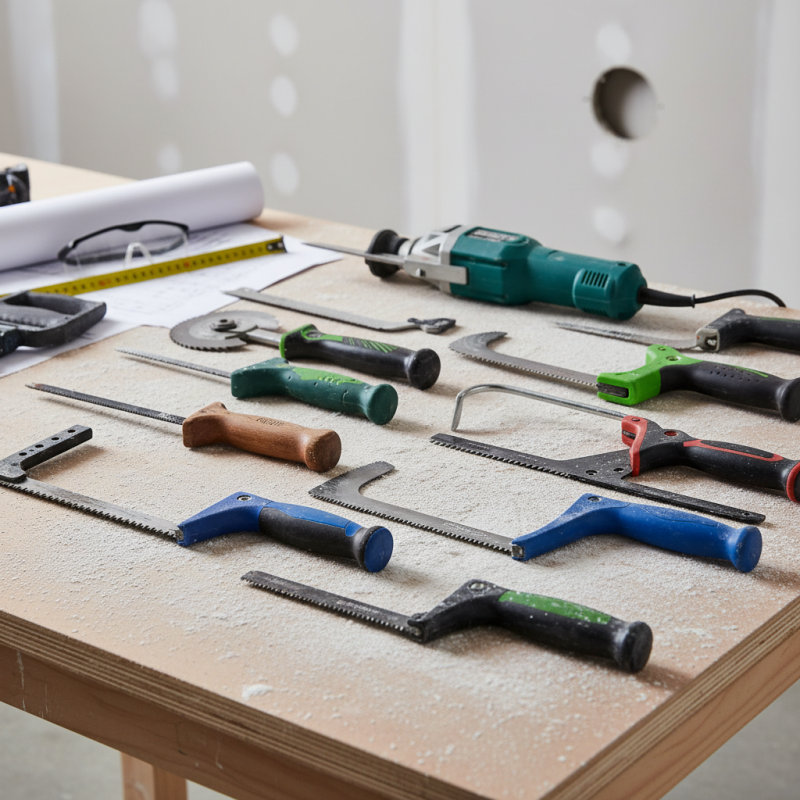
Plaster saws are essential tools for any DIY enthusiast. They vary in type and features, making selection critical. Understanding these aspects can enhance project efficiency. The most common types are handheld saws and electric models. Handheld saws work well for small jobs. They offer precision and control. Meanwhile, electric saws save time for larger tasks. They cut through materials quickly.
When choosing a plaster saw, consider the blade size. Longer blades can handle thicker materials. However, shorter blades provide better maneuverability. Blade quality also matters. A sharp blade makes cleaner cuts, reducing the need for extra finishing. Grips are another feature to think about. A comfortable grip can make a big difference during extended use.
Some users overlook the importance of weight. A heavier saw may tire your hand more quickly. Conversely, lightweight saws might not provide the same cutting power. This balance can be tricky. Lastly, the noise level of electric saws deserves attention. You may find yourself distracted or stressed by excessive noise. Each factor plays a role in your final choice.
Top 10 Plaster Saws for Your DIY Projects What to Choose?
| Model | Type | Blade Length | Weight | Price |
| Model A | Manual | 10 inches | 1.5 lbs | $25 |
| Model B | Electric | 12 inches | 3 lbs | $150 |
| Model C | Manual | 8 inches | 1.2 lbs | $20 |
| Model D | Electric | 10 inches | 2.5 lbs | $120 |
| Model E | Manual | 11 inches | 1.8 lbs | $30 |
| Model F | Electric | 14 inches | 4 lbs | $200 |
| Model G | Manual | 9 inches | 1.4 lbs | $22 |
| Model H | Electric | 12 inches | 3.2 lbs | $180 |
| Model I | Manual | 10 inches | 1.7 lbs | $28 |
| Model J | Electric | 14 inches | 4.1 lbs | $220 |
Key Factors to Consider When Choosing a Plaster Saw
When choosing a plaster saw for your DIY projects, consider essential factors. Blade material is critical. High-carbon steel blades are durable and ideal for most tasks. In contrast, bi-metal blades offer flexibility, reducing the risk of breaking. According to industry reports, durability improves cutting efficiency by up to 30%.
Weight and ergonomics also matter. A lightweight saw can enhance maneuverability, especially for intricate cuts. Many users overlook comfort. A good grip can affect precision. Research shows that about 25% of DIY enthusiasts report hand fatigue during long projects.
Look into the saw's tooth configuration. Fine teeth yield smoother cuts, while coarse teeth handle thicker plaster. Some users find it challenging to choose the right configuration for their needs. Reflect on your project requirements and explore various options. Evaluate the balance between speed and quality. Recognizing these factors can significantly impact your DIY success, aiding in a more satisfying experience.
Top 10 Plaster Saws for DIY Projects: Overview and Highlights
When tackling DIY projects, having the right tools is crucial. Plaster saws play a vital role in achieving clean cuts in plasterboard and drywall. According to industry reports, the most efficient tools make a noticeable difference in the quality of the finished product. A reliable plaster saw cuts smoothly, minimizing the chance of damage to the material.
Users often report a struggle with inaccurate cuts when using low-quality plaster saws. In fact, about 30% of DIYers admit to frequent errors in their projects due to inadequate tools. Features like ergonomic handles and sharp blades can enhance usability significantly. For example, saws with serrated edges tend to perform better on tougher materials, allowing for more control during cuts.
However, it is essential to consider that not all saws are created equal. Some options may look appealing but might not offer the best performance. Many users have encountered issues with blade longevity, leading to frustrations. Investing in a higher-quality plaster saw can lead to better project outcomes, reducing waste and saving time. It's often worth taking the time to research and find a tool that meets both quality and comfort needs.
Comparison of Popular Plaster Saw Brands and Models
When selecting the right plaster saw, it’s essential to compare popular brands and models. A recent industry report noted that user satisfaction rates vary significantly. For instance, some saws provide cleaner cuts while others excel in durability. It’s a balance of features.
Most plaster saws weigh between 1 to 3 pounds. Weight can affect handling. A lighter model may feel more agile but might lack stability. On the other hand, a heavier option can offer a solid grip but may induce fatigue during extended use. Users often report that the ease of blade replacement is a crucial factor. Saws that allow quick blade changes are generally preferred.
Cutting performance is another key point. A well-engineered blade can reduce the risk of chipping and tearing. However, some models may struggle with tougher materials, leading to frustration. Users have noted that even well-reviewed saws sometimes fall short in performance. Proper maintenance is often overlooked yet vital for longevity and efficiency. Balancing these factors will enhance your DIY project experience.
Maintenance Tips for Extending the Life of Your Plaster Saw
Maintaining your plaster saw is crucial for effective DIY projects. Regular cleaning helps prevent buildup of plaster dust. Wipe the blade and casing after each use. A soft brush can help reach crevices. Avoid using water excessively as it can cause rust. Instead, use a dry cloth or a damp one occasionally.
Sharpening the blade is necessary for optimal performance. Dull blades can lead to poor cuts and frustration. Check the blade regularly for wear and tear. If it feels less effective, consider sharpening it or replacing it. Storing the saw in a dry environment is vital. Humidity can damage the machinery, leading to more significant issues. Think carefully about how you store it.
Finally, listen to the saw while using it. Strange noises may indicate problems. Address these issues early to prevent more severe damage. It’s easy to overlook small signs, but they matter. Regular maintenance is not just a task; it’s part of being a responsible DIYer. Keep an eye on every detail.